
The Role of Prism Glasses in Stroke Patients
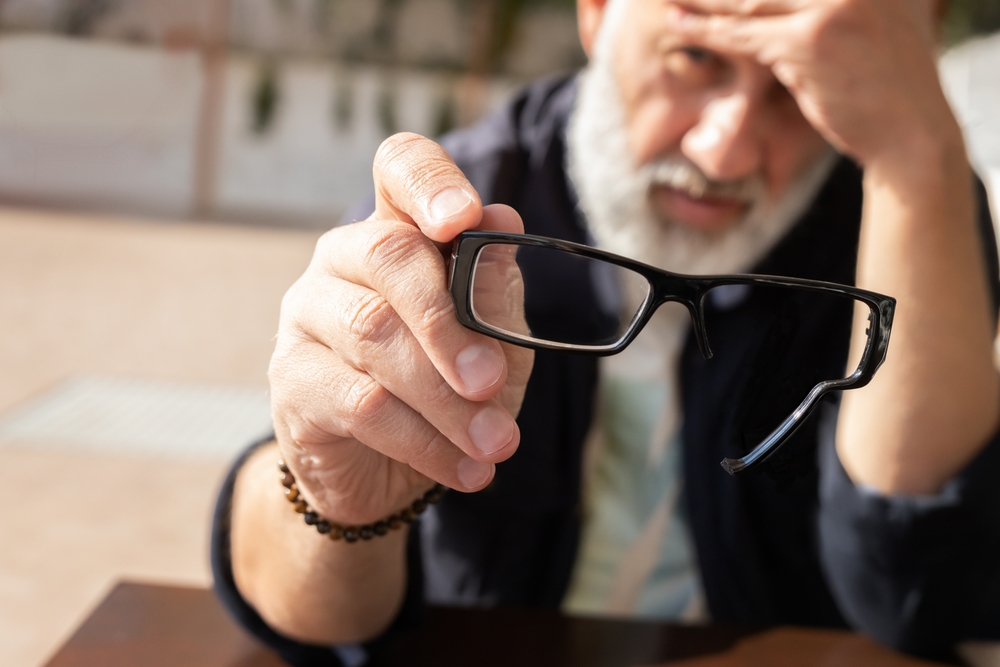
Many stroke survivors experience visual challenges that interfere with reading, balance, depth perception, and everyday activities. One effective and often underutilized tool in neuro-optometric care is prism glasses. These specialized lenses can play a critical role in visual rehabilitation after a stroke.
How Stroke Affects Vision
Vision problems after a stroke are common and can occur even when the eyes themselves are healthy. This is because a stroke may damage the parts of the brain responsible for processing visual input. Common post-stroke visual issues include:
Double vision (diplopia)
Visual field loss (such as hemianopia)
Difficulty with eye teaming or alignment
Spatial disorientation or poor depth perception
Visual neglect, where one side of the visual field is ignored
These visual deficits can make walking, reading, driving, and even recognizing faces more difficult, impacting independence and quality of life.
What Are Prism Glasses?
Prism glasses are specially designed lenses that shift images to help align what the eyes see with how the brain processes visual information. Unlike standard glasses that correct blur, prism lenses address visual misalignment and neurological visual processing challenges.
For stroke patients, prisms can help compensate for disrupted neural pathways by redirecting visual input to areas of the brain that are still functioning effectively.
How Prism Glasses Help Stroke Patients
Prism glasses can be customized to address specific post-stroke visual symptoms, including:
Reducing double vision by realigning images seen by each eye
Improving visual field awareness, helping patients better detect objects on the affected side
Enhancing balance and mobility by improving spatial orientation
Supporting reading and near tasks by stabilizing eye alignment
Decreasing visual strain and fatigue, which are common during stroke recovery
When properly prescribed, prism lenses can make daily activities safer and more manageable, often providing noticeable improvements in comfort and confidence.
The Importance of a Neuro Visual Evaluation
Not all vision problems after a stroke are obvious during a standard eye exam. This is why a neuro visual evaluation is essential. At Focus on Eyes, this specialized assessment goes beyond checking eyesight and examines how the brain and eyes work together.
A neuro visual evaluation may assess:
Eye alignment and movement
Visual fields and spatial awareness
Visual processing speed
Balance-related visual function
Functional vision during real-world tasks
The results of this evaluation guide the precise prescription of prism glasses and help determine whether additional therapies, such as vision rehabilitation or neuro-optometric therapy, may be beneficial.
Take the Next Step at Focus on Eyes
Visual challenges after a stroke can be life-altering, but they do not have to be permanent barriers to independence. Prism glasses, when prescribed through a comprehensive neuro visual evaluation, can play a powerful role in restoring functional vision and improving daily life for stroke survivors. By addressing how the brain and eyes work together, prism lenses offer targeted support during the recovery journey.
If you or a loved one is struggling with vision changes after a stroke, specialized care may help improve daily function and comfort. Schedule a neuro visual evaluation at Focus on Eyes to determine whether prism glasses are right for you. Visit our office in Richardson, Texas, or call (469) 620-2120 today.


MAP

CONTACT INFORMATION
HOURS OF OPERATION
Monday 10:00am - 5:00pm
Tuesday 10:00am - 5:00pm
Wednesday 10:00am - 5:00pm
Thursday 10:00am - 5:00pm
Friday 10:00am - 5:00pm
Saturday By Appointment Only
Sunday Closed
Powered by: 