
Blog list

As Richardson students return to classrooms, reading, writing, digital assignments, and busy school environments place greater demands on their visual systems. Some tiredness after a long day can be expected, but recurring reading difficulties, headaches, poor coordination, or unusual clumsiness may deserve a closer look.

Chronic migraines can have many causes, but persistent eye strain may be an overlooked contributor for some patients. When the eyes do not align and coordinate comfortably, the brain must work harder to combine two slightly different images into one clear picture. This condition, known as binocular vision dysfunction, can create ongoing visual stress even when eyesight appears sharp.
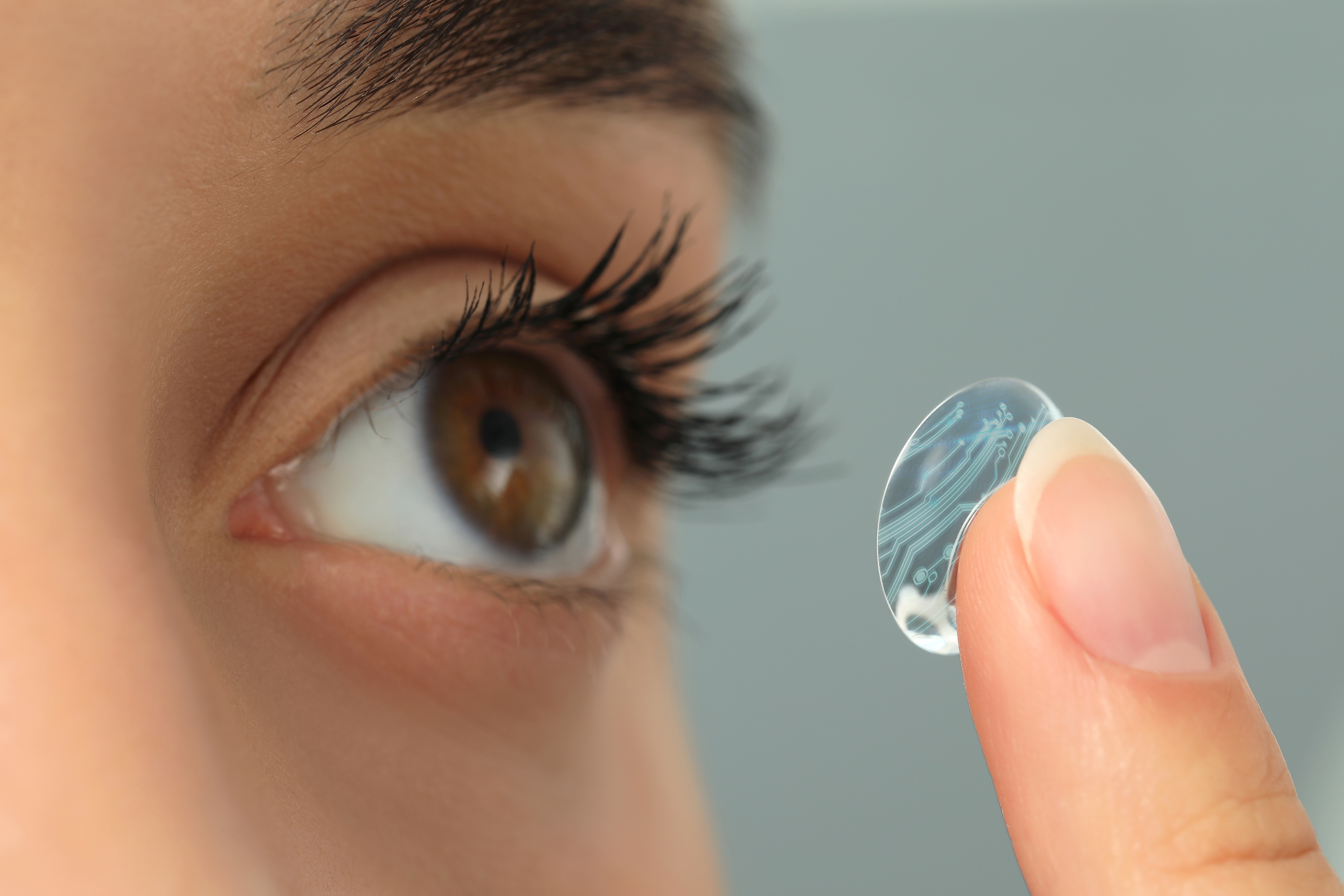
Summer heat, dry indoor air, allergies, and long days outdoors can make contact lenses feel uncomfortable. If your soft lenses start the day clear but feel dry, gritty, or blurry by afternoon, your eyes may need a different type of lens support. For some patients, scleral lenses can provide a more stable and comfortable option.

Children often assume everyone sees the way they do. If letters look blurry, words seem to move, or one eye works harder than the other, they may not know how to explain it. That is why vision problems in children can be easy to miss, especially when a child is still doing well in some areas of school or daily life.
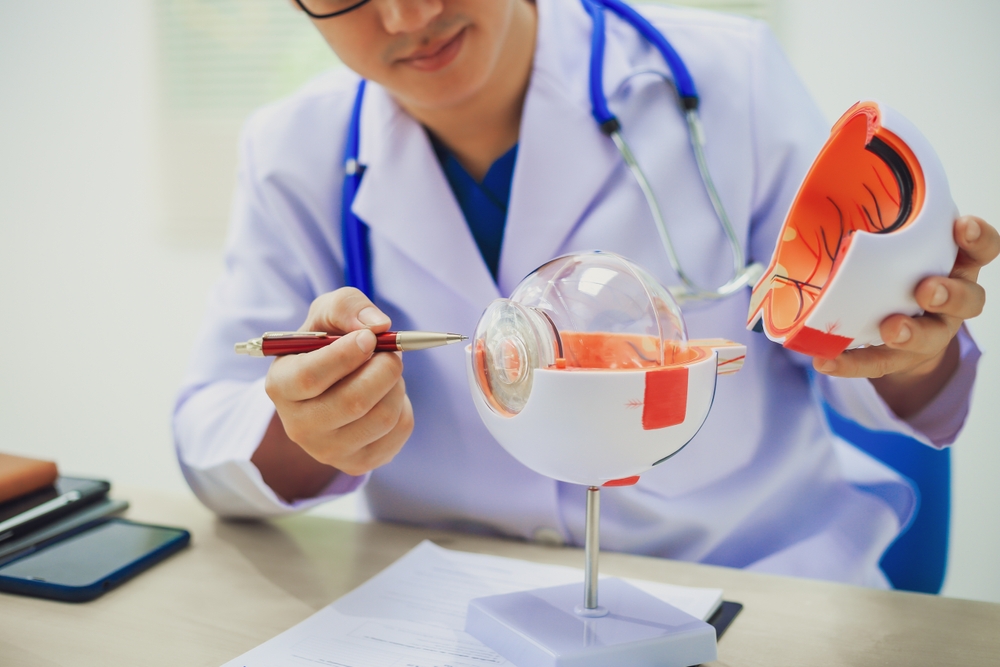
Diabetes can affect more than blood sugar - it can also damage the small blood vessels in the retina over time. At Focus On Eyes, we recommend diabetic eye exams to help detect changes early, often before you notice vision symptoms. Regular monitoring is one of the best ways to protect long-term eye health and reduce the risk of preventable vision loss.
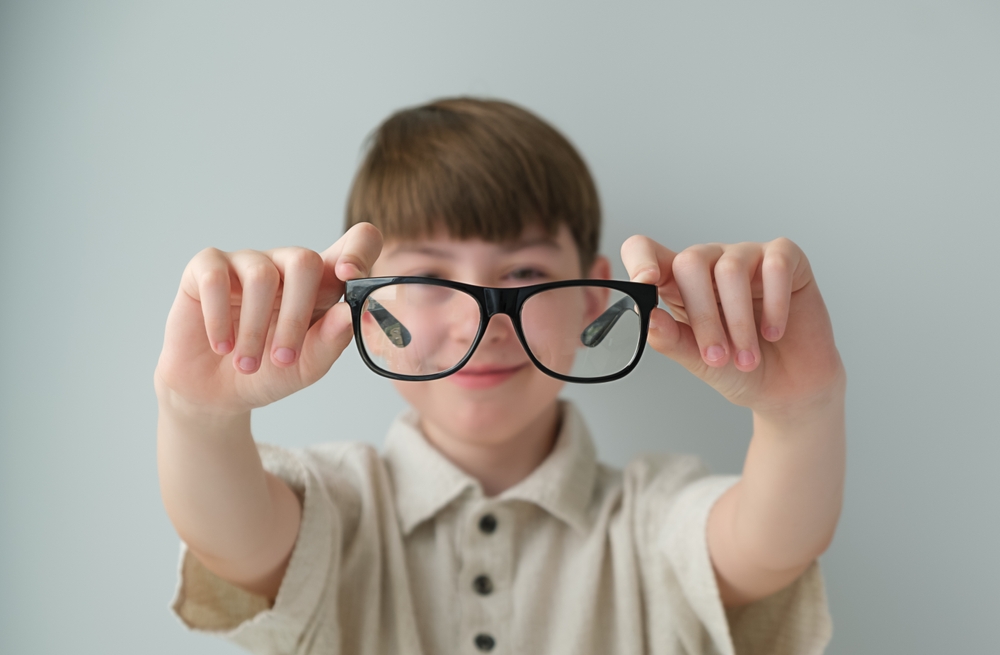
When a child struggles with reading, attention, or classroom performance, many parents first think about study habits or school support. However, vision problems can also play a role. At Focus On Eyes, we help families in Richardson, TX understand that a child may be working harder than expected simply because their visual system is not functioning efficiently. The practice offers personalized optometry care in Richardson and also provides specialty services related to binocular vision dysfunction and other visual concerns.
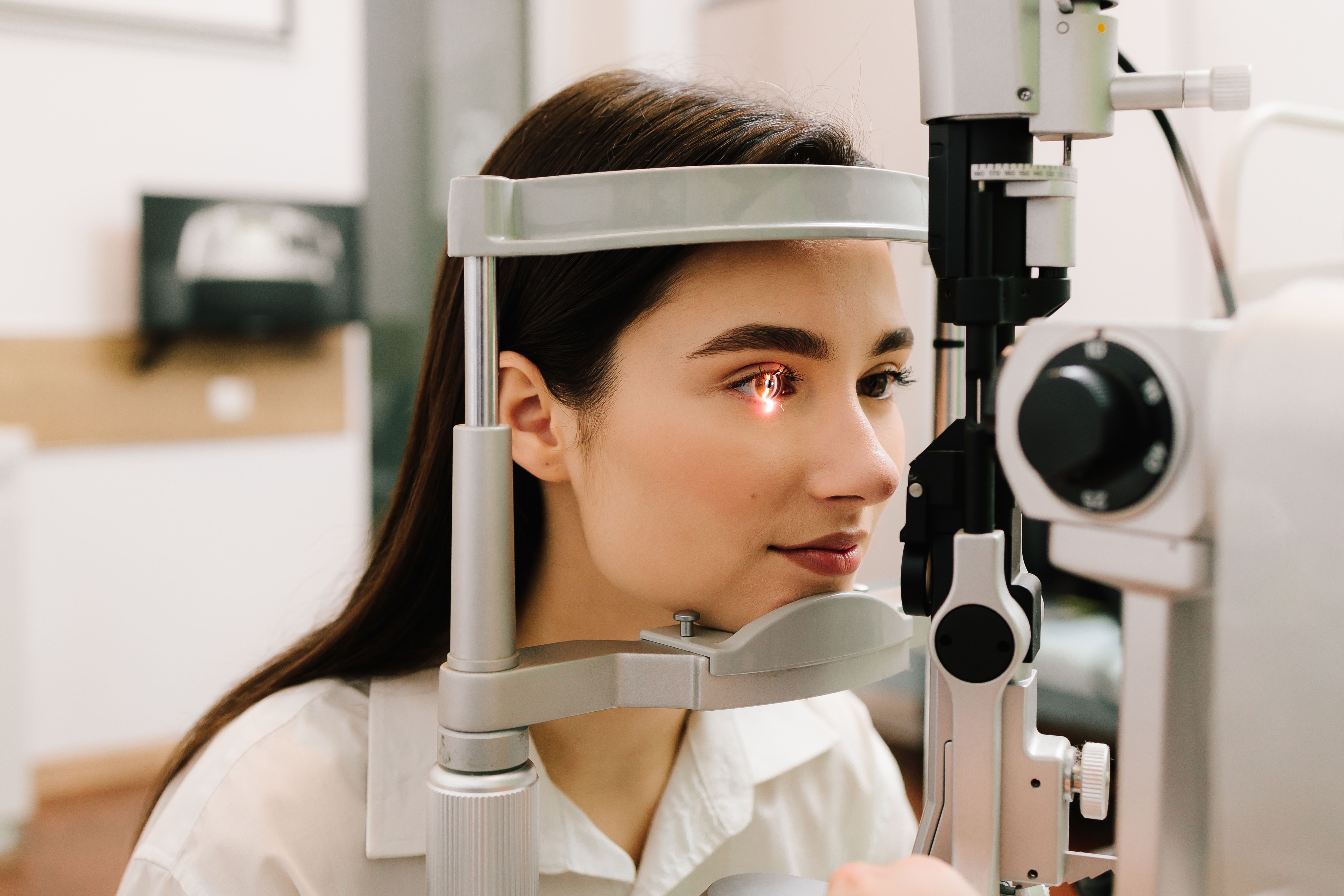
When most people think of an eye exam, they think of reading letters on a chart and updating their glasses or contact lens prescription. While clear vision is important, a comprehensive eye exam goes far beyond determining whether you need corrective lenses.

When it comes to protecting your vision, a healthy diet and regular eye exams are essential - but for many people, nutrition alone may not be enough. That’s where eye health supplements can play an important role. At Focus on Eyes, we often recommend supplements backed by science, including EyePromise, a trusted brand designed specifically to support different aspects of eye health at every stage of life.
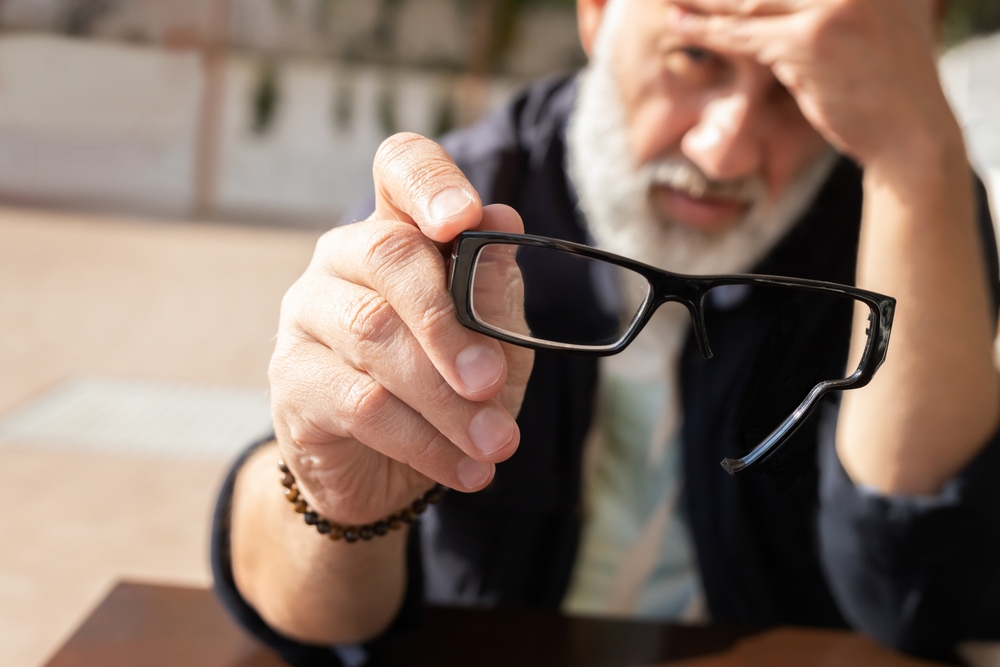
Many stroke survivors experience visual challenges that interfere with reading, balance, depth perception, and everyday activities. One effective and often underutilized tool in neuro-optometric care is prism glasses. These specialized lenses can play a critical role in visual rehabilitation after a stroke.

Agoraphobia is often described as a fear of open or crowded spaces, but for many people, the story is far more complex. Feelings of dizziness, disorientation, and visual overwhelm in busy environments can trigger anxiety-like responses that closely resemble agoraphobia.


MAP

CONTACT INFORMATION
HOURS OF OPERATION
Monday 10:00am - 5:00pm
Tuesday 10:00am - 5:00pm
Wednesday 10:00am - 5:00pm
Thursday 10:00am - 5:00pm
Friday 10:00am - 5:00pm
Saturday By Appointment Only
Sunday Closed
Powered by: 