
More Than a Vision Test: The Importance of Comprehensive Eye Exams
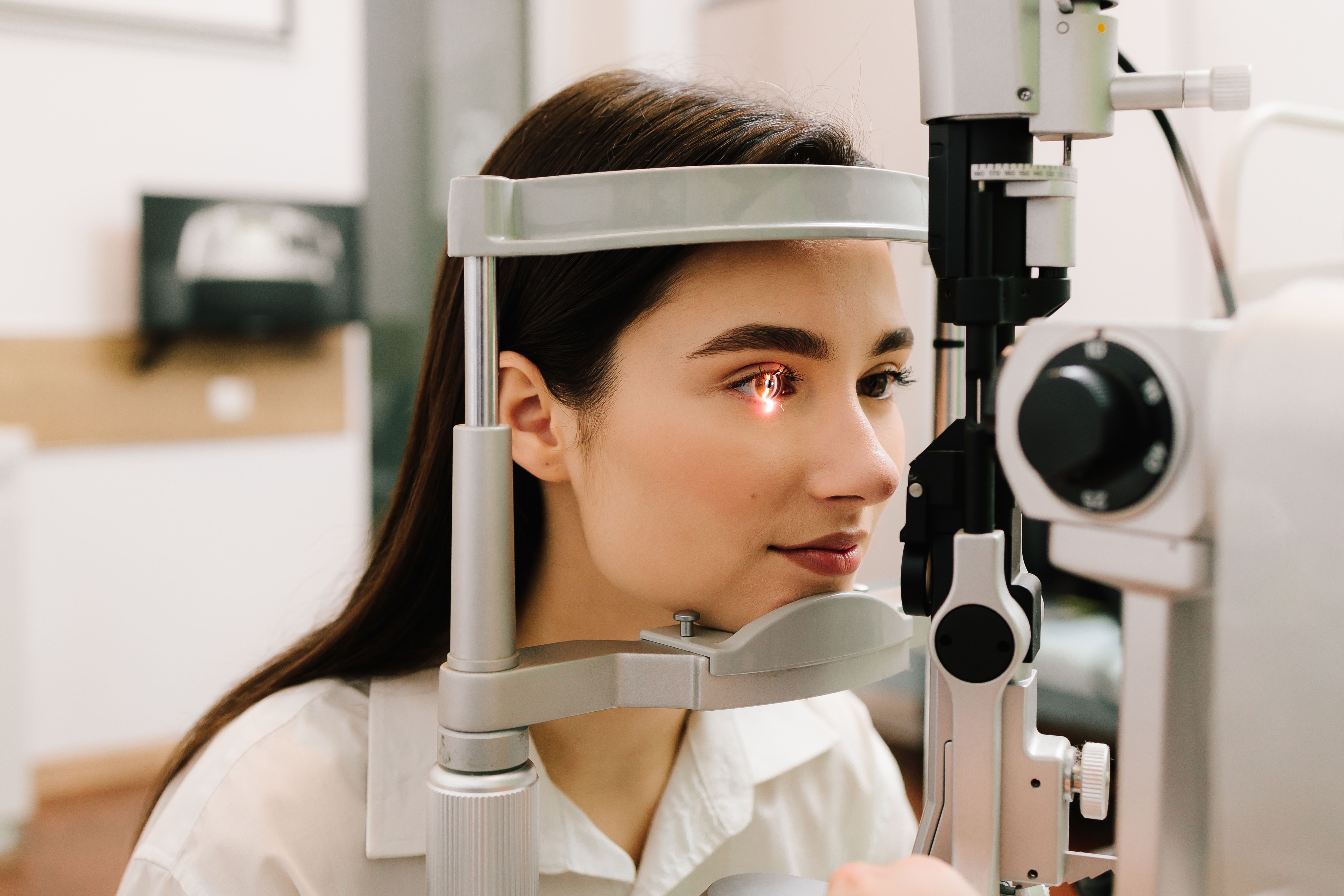
When most people think of an eye exam, they think of reading letters on a chart and updating their glasses or contact lens prescription. While clear vision is important, a comprehensive eye exam goes far beyond determining whether you need corrective lenses.
What Is a Comprehensive Eye Exam?
A comprehensive eye exam evaluates both your vision and the health of your entire visual system. Unlike a quick screening, a full exam assesses:
- Visual acuity (clarity of vision at various distances)
- Refraction (your prescription for glasses or contacts)
- Eye coordination and focusing ability
- Eye muscle function
- Peripheral (side) vision
- Internal and external eye health
Your optometrist uses advanced diagnostic tools to examine the retina, optic nerve, cornea, and other critical structures of the eye. This allows us to detect subtle changes that may not cause symptoms right away.
Monitoring Vision Changes at Every Age
Vision needs change throughout life. Children require clear, comfortable vision for learning and development. Adults often experience digital eye strain and lifestyle-related visual demands. As we age, the risk of eye disease increases.
Regular comprehensive exams help:
- Ensure children are seeing clearly for academic success
- Detect vision changes related to screen use
- Monitor age-related eye conditions
- Update prescriptions for optimal comfort and clarity
Even if your vision seems stable, annual exams allow your doctor to track subtle changes over time.
Early Detection of Eye Diseases
Many serious eye conditions develop gradually and without noticeable warning signs. By the time symptoms appear, permanent damage may already have occurred.
Comprehensive eye exams can detect conditions such as:
- Glaucoma
- Macular degeneration
- Diabetic retinopathy
- Cataracts
Early detection is key. With routine exams, these conditions can often be managed or treated before significant vision loss occurs.
Your Eyes Can Reveal Systemic Health Conditions
The eyes are the only place in the body where blood vessels and nerves can be viewed directly without surgery. That makes them a powerful window into your overall health.
During a comprehensive exam, your optometrist may identify signs of:
- Diabetes
- High blood pressure
- High cholesterol
- Autoimmune conditions
- Neurological disorders
In some cases, patients first learn about underlying health issues during a routine eye exam. That early awareness can make a life-changing difference.
Personalized Eye Care for Your Lifestyle
A comprehensive exam isn’t one-size-fits-all. Your visual needs depend on your career, hobbies, health history, and daily habits.
At Focus on Eyes, we take time to understand:
- How many hours you spend on digital devices
- Whether you drive frequently at night
- If you participate in sports or outdoor activities
- Any symptoms like dryness, headaches, or eye fatigue
This information helps us recommend solutions tailored specifically to you - whether that means specialty lenses, dry eye treatment, or preventive monitoring.
Schedule Your Comprehensive Eye Exam Today
A comprehensive eye exam is one of the most important preventive health appointments you can schedule. It does more than sharpen your vision - it protects your eye health, helps detect serious conditions early, and provides valuable insight into your overall well-being.
Contact Focus on Eyes to schedule your comprehensive eye exam and take the next step toward healthier vision and lifelong eye care. Visit our office in Richardson, Texas, or call (469) 620-2120 to book an appointment today.


MAP

CONTACT INFORMATION
HOURS OF OPERATION
Monday 10:00am - 5:00pm
Tuesday 10:00am - 5:00pm
Wednesday 10:00am - 5:00pm
Thursday 10:00am - 5:00pm
Friday 10:00am - 5:00pm
Saturday By Appointment Only
Sunday Closed
Powered by: 