
Signs Your Child May Have a Vision Problem
Children Do Not Always Know Something Is Wrong
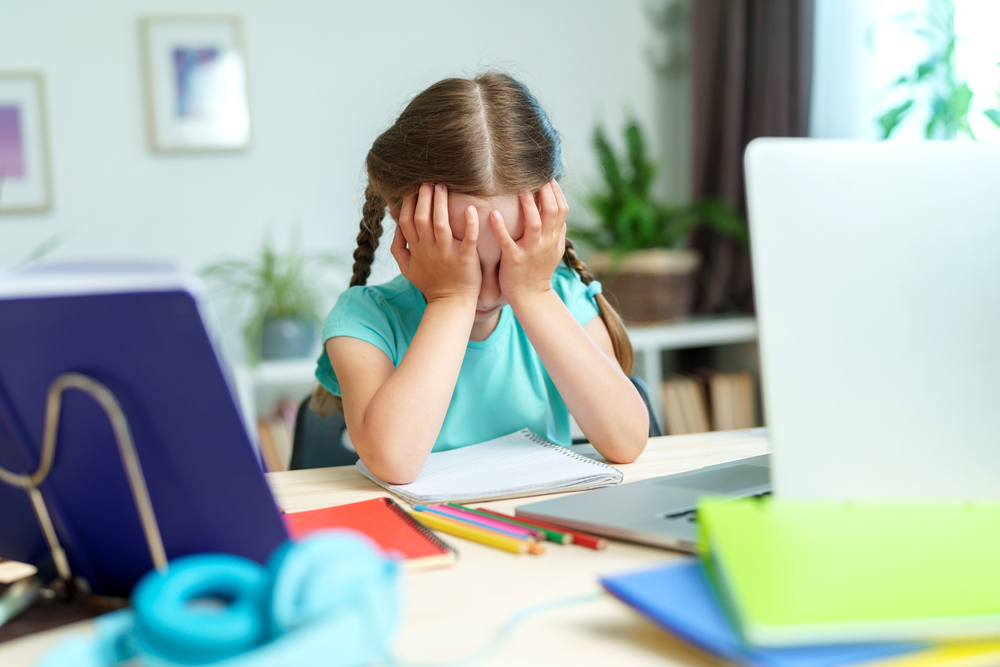
Children often assume everyone sees the way they do. If letters look blurry, words seem to move, or one eye works harder than the other, they may not know how to explain it. That is why vision problems in children can be easy to miss, especially when a child is still doing well in some areas of school or daily life.
At Focus On Eyes, we help families understand what may be affecting a child’s comfort, clarity, and visual development.
Squinting, Tilting, Or Sitting Too Close
One of the most common signs of a child vision problem is changing how they look at things. Your child may squint, cover one eye, tilt their head, or sit very close to the TV or tablet. These habits can be a child’s way of trying to make blurry or unstable vision feel clearer.
Even small changes in vision can affect how comfortably a child reads, writes, plays sports, or focuses in the classroom.
Headaches And Eye Strain After Reading
Children who have uncorrected vision issues may complain of headaches, tired eyes, or discomfort after reading or doing homework. Some children avoid near work altogether because it feels frustrating or tiring.
These symptoms can be related to nearsightedness, farsightedness, astigmatism, eye teaming issues, or focusing problems. A pediatric eye exam can help identify what is causing the strain and whether glasses, vision support, or another treatment option may help.
Trouble In School May Be Vision Related
Not every learning struggle is caused by vision, but clear and comfortable eyesight plays an important role in classroom performance. Children need their eyes to work together when reading, tracking across a page, copying from the board, and shifting focus between near and far distances.
Signs to watch for include:
- Losing their place while reading
- Skipping words or lines
- Avoiding books or homework
- Short attention span during close-up tasks
- Frequent blinking or rubbing the eyes
- Complaints that words look blurry or double
- Difficulty seeing the board at school
If these patterns are happening often, a comprehensive eye exam can provide important answers.
Eye Rubbing, Redness, Or Light Sensitivity
Vision problems are not always about needing glasses. Some children experience eye irritation, dryness, allergies, or light sensitivity that makes it harder to focus comfortably throughout the day. Frequent eye rubbing, watery eyes, redness, or complaints about bright light should not be ignored.
We evaluate both vision and eye health so we can better understand what your child is experiencing.
When One Eye Turns Or Wanders
If one eye appears to turn inward, outward, upward, or downward, it is important to schedule an eye exam. Eye turns, poor eye teaming, and conditions such as amblyopia can affect visual development if they are not addressed early.
Children may not complain because the brain can adapt by favoring one eye. Early diagnosis gives us the best opportunity to support healthy vision development.
Why Regular Eye Exams Matter
School screenings are helpful, but they are not a replacement for a full eye exam. Screenings often check distance vision, but they may miss focusing problems, eye teaming concerns, eye health issues, or more subtle vision changes.
At Focus On Eyes, we take time to evaluate your child’s vision in a thorough, patient-friendly way so we can help you understand the next best step.
If you have noticed signs your child may have a vision problem, contact Focus On Eyes in Richardson, Texas by calling (469) 620-2120 to schedule an appointment.


MAP

CONTACT INFORMATION
HOURS OF OPERATION
Monday 10:00am - 5:00pm
Tuesday 10:00am - 5:00pm
Wednesday 10:00am - 5:00pm
Thursday 10:00am - 5:00pm
Friday 10:00am - 5:00pm
Saturday By Appointment Only
Sunday Closed
Powered by: 